
By FacegyMiami on October 15, 2026
Miami’s climate is hard on skin. Year-round UV, humidity that clogs pores, salt air, and air conditioning that dries you out all work against your face. So when you search for the best facial in Miami, you’re really trying to solve a specific problem: dullness, congestion, early lines, puffiness or loss of definition.
The difficulty is that the menus don’t make this easy. Hydrafacial, European facial, microcurrent, chemical peel, buccal massage and cryo lifting all sound appealing, and prices run from under $60 to several hundred dollars. Most guides list the options and stop there.
This guide helps you choose. It explains what each facial does, what Miami clients typically pay, and which one fits your skin concern, goals and budget.
Key takeaways
The best facial in Miami is the one that matches your main skin goal, not the most expensive or trendy one.
Typical Miami facial prices run from about $60 to $350+, depending on the technique, the provider’s training and the add-ons.
Congestion and acne need cleansing and extractions. Early aging, puffiness and loss of definition respond better to massage-based and lifting facials.
Results build with a series, so a plan beats a one-off treatment.
Ask about the products, the therapist’s training and the cancellation or deposit policy before you book.
What Is the Best Facial in Miami?
The best facial in Miami is the one that targets your primary concern: deep cleansing for congestion, hydration for dryness, or sculpting and lymphatic work for aging and puffiness. A trained therapist should assess your skin before any treatment.
“Best” depends on the skin in the chair. Someone with oily, congested skin and someone with tired, puffy, losing-definition skin need very different treatments, and an expensive facial built for the wrong goal will disappoint.
Ask these four questions before you decide:
What is my one main goal? Clearer, smoother, firmer, calmer or brighter.
How much downtime can I accept? Relaxing facials have none. Peels and microneedling can mean days of redness or flaking.
Is this a one-off or a program? Maintenance and visible change need different frequencies.
Does the provider assess my skin first? A good facial starts with a consultation, not a preset routine.
Types of Facials Available in Miami
Miami spas offer five main facial families: cleansing and hydrating facials, exfoliating and resurfacing facials, device-based facials, massage-based sculpting facials, and medical-grade treatments. Each family targets a different concern and carries a different level of downtime.
1. Classic and European Facials
A classic facial usually follows a cleanse, exfoliation, extractions, mask, massage and moisturizer. It lasts about 60 to 90 minutes. It’s the right starting point if you’re new to facials or want a reliable maintenance treatment.
2. Deep Pore Cleansing Facials
This type focuses on clearing congestion: blackheads, enlarged-looking pores and excess oil, which are common in humid climates. It typically combines steam or ultrasonic tools with gentle exfoliation and extractions. For a full walkthrough of the process, read our guide on what a deep pore cleanse facial is and how it works.
3. Hydrating and Hydradermabrasion Facials
These pair cleansing with suction-based exfoliation and a serum infusion. They’re popular because they give a glow with little to no downtime, and they suit dehydrated skin after beach weekends and travel.
4. Chemical Peels and Resurfacing
Peels use acids to speed up exfoliation and improve texture and pigmentation. Strength varies a lot, from gentle spa peels to medical-grade formulas. Peels also increase sun sensitivity, which matters in Miami, so daily SPF is not optional afterward.
Best for: uneven tone, texture, mild sun damage. Choose a trained provider and follow aftercare closely.
5. Microcurrent, LED and Device-Based Facials
Microcurrent uses low-level electrical impulses on facial muscles, and LED uses specific light wavelengths. Many clients treat these as “maintenance” facials that support tone and appearance over a series. They work best as part of a program.
6. Massage-Based Sculpting and Lifting Facials
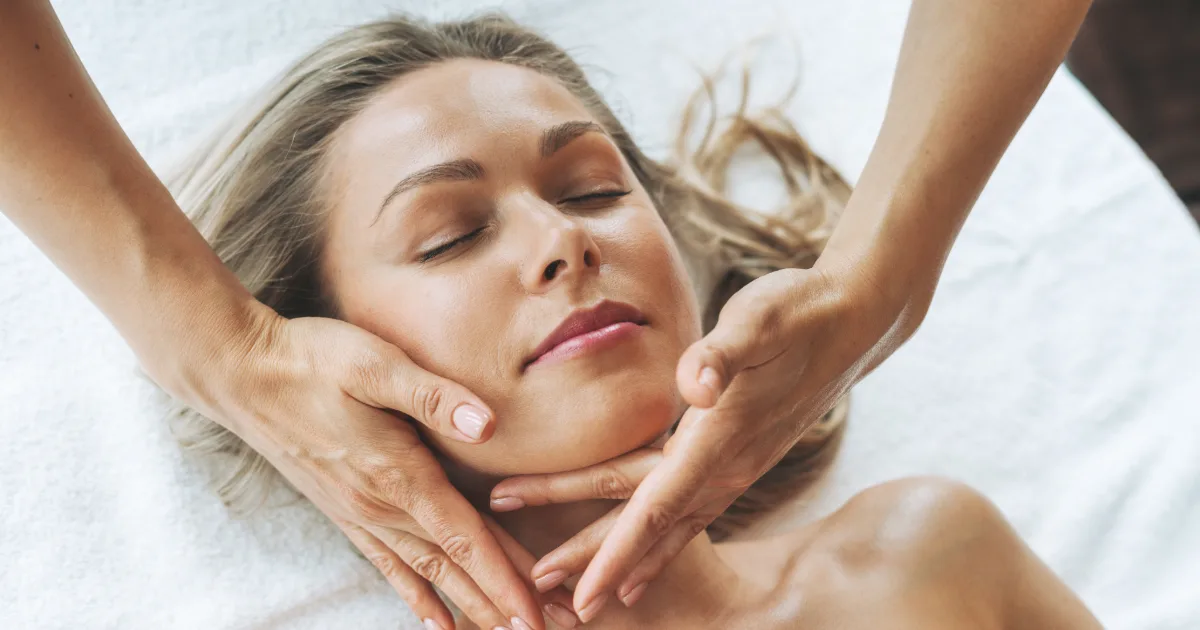
These “facial fitness” treatments use hands-on techniques, such as lymphatic drainage, buccal (intraoral) massage and facial cupping, to ease tension, reduce the look of puffiness and support contour. They’re a natural fit for anti-aging goals without needles or chemicals. Our overview of buccal massage, its benefits and what the process involves covers it in detail.
7. Medical-Grade Treatments (Microneedling, Laser, Injectables)
These are performed in medical settings, often by physicians or nurses, and aren’t facials in the spa sense. They can address deeper concerns such as scarring or significant laxity, but they cost more and involve recovery time. If you’re weighing them against spa options, a medical consultation is the right first step.
How to Choose the Right Facial: A 4-Step Framework
Choose a facial by matching your main concern to a treatment family, checking downtime and budget, and confirming the provider’s training. Start with a consultation-led treatment if you’re unsure.
Step 1: Identify Your Primary Concern
Pick one. Trying to fix everything in one visit rarely works.
Clogged pores, shine, breakouts → deep pore cleansing
Tightness, flaking, dullness → hydrating facial
Uneven tone, rough texture → gentle peel or resurfacing
Puffiness, jaw tension, softer contour → massage-based sculpting or lymphatic facial
Early lines and loss of firmness → microcurrent, lifting or a combined program
Step 2: Check Your Calendar
Wedding, vacation or photoshoot ahead? Schedule resurfacing treatments at least a week or two beforehand so any redness settles, and keep sculpting or hydrating facials closer to the event.
Step 3: Set a Realistic Budget and Frequency
A single facial refreshes your skin. A series of four to six sessions, spaced a few weeks apart, is where visible change builds, especially for sculpting and lifting work. Plan the budget for the series, not the single visit.
Step 4: Vet the Provider
Before booking, ask:
Who will perform my treatment, and what’s their experience?
Will there be a skin assessment first?
What products and tools do you use?
What’s the cancellation and deposit policy?
What aftercare do you recommend?
A confident provider answers these plainly.
Best Facial for Your Skin Concern
For aging skin, choose lifting and lymphatic-based facials; for acne or oily skin, choose deep pore cleansing; for dry skin, choose hydrating treatments. Sensitive skin should start with gentle, low-intervention facials.
Best Facial for Anti-Aging
Anti-aging doesn’t have to mean being aggressive. For early to moderate signs, such as softening definition, tension and puffiness, many people start with massage-based lifting, lymphatic work and microcurrent-style treatments, then add resurfacing if texture is a concern. Our post on anti-aging facial massage explains the approach in more depth.
Best Facial for Acne-Prone or Oily Skin
Look for deep pore cleansing with careful extractions and ultrasonic tools, plus a home routine to maintain results. Avoid over-exfoliating, which can worsen oil and irritation.
Best Facial for Dry or Dehydrated Skin
A hydrating facial with barrier-supporting ingredients works well. Skip heavy exfoliation and ask your therapist to adjust the pressure and products.
Best Facial for Sensitive Skin
Choose gentle treatments, patch-test new products, and tell the therapist about any reactions, medications or recent procedures. If you have an active skin condition, check with a dermatologist first.
Best Facial for Puffiness and Jaw Tension
If you wake up puffy or clench your jaw, lymphatic drainage and buccal massage address the muscle and fluid side of the problem rather than just the surface.
What to Expect at Your First Facial: Step by Step
A typical first facial includes a consultation, cleansing, exfoliation, treatment-specific work, a mask and SPF or moisturizer, and takes 45 to 90 minutes. Arrive with a clear goal and share your skin history.
Consultation (5–10 min): Your therapist asks about your skin history, routine, medications and goals.
Cleanse and analysis: Makeup comes off and the therapist examines your skin’s condition.
Exfoliation or prep: Steam, enzymes or ultrasonic tools soften and lift dead cells.
Core treatment: extractions, massage techniques, devices or a peel, depending on the facial.
Mask and serums: targeted hydration or calming products.
Before You Go
Skip retinoids and strong acids for a few days before your appointment (confirm with your provider).
Avoid sunburn and recent waxing on the treated area.
Arrive with clean or lightly cleansed skin.
Aftercare in Miami’s Climate
Apply broad-spectrum SPF daily, and reapply outdoors.
Avoid heavy sun exposure, saunas and intense workouts for the first 24 hours, or as advised.
Stay hydrated and keep your routine simple while skin recovers.
Choosing a Facial Studio in Miami: What to Look For
Look for personalized assessments, trained therapists, transparent pricing and clear policies. Reviews and before-and-after consistency matter more than a trendy treatment menu.
Use this quick checklist:
Skin assessment before treatment
Named, experienced therapist
Professional-grade, dermatologist-approved products
Transparent pricing and deposit or cancellation policy
Customizable add-ons
Real client results and reviews
Easy contact and booking
A local option for sculpting and anti-aging: FaceGym Miami, in Aventura, takes a facial-fitness approach built around sculpting, lifting and lymphatic techniques, glow-enhancing buccal work, and a separate facial menu covering deep cleansing, anti-aging and ultrasonic acne care, with customizable add-ons. Treatments are led by founder and senior therapist Anastasia Antonenko. Clients across Aventura, North Miami Beach and greater Miami come for natural, needle-free results.
Frequently Asked Questions
How much does a good facial cost in Miami?
Most Miami facials fall between about $60 and $350, depending on the type, duration and provider. Basic classic facials sit at the low end, while device-based and medical-grade treatments cost more.
How often should I get a facial?
Most people benefit from a facial every four to six weeks, which matches the skin’s natural renewal cycle. For sculpting or lifting goals, a closer-spaced starter series followed by monthly maintenance is common.
What is the best type of facial for anti-aging?
There’s no single best option, but massage-based lifting, lymphatic drainage and microcurrent are popular non-invasive choices for early signs of aging. Add resurfacing if texture and pigmentation are also concerns, and consult a dermatologist for deeper concerns.
Are facials safe for sensitive or acne-prone skin?
Yes, when tailored. Gentle, non-aggressive facials with a thorough consultation are generally appropriate, but you should avoid harsh exfoliation and disclose medications or active skin conditions beforehand.
Do I need to tip or pay a deposit for a facial in Miami?
Tipping is customary at most spas, and many studios use deposits to secure appointments. FaceGym Miami, for example, requests a $100 refundable deposit that’s returned or applied toward your service.
Conclusion: Your Best Facial Is the One Built for Your Goal
The best facial in Miami isn’t a single treatment. It’s the right match between your skin concern, your timeline, your budget and a trained therapist who assesses before treating. Cleansing facials tackle congestion, hydrating facials restore comfort, and massage-based sculpting and lymphatic facials suit clients who want natural contouring, less puffiness and a more lifted look without needles or downtime.
Pick one goal, plan for a series rather than a single visit, protect your skin with daily SPF, and choose a provider who explains their approach.
Ready for a facial matched to your skin? Book your appointment at FaceGym Miami in Aventura, or message the team on WhatsApp or by text for a recommendation based on your goals.
This article is for general information and is not medical advice. If you have a skin condition, allergies or are pregnant, consult a qualified professional before treatment.