
By Facegym Miami on January 21, 2026
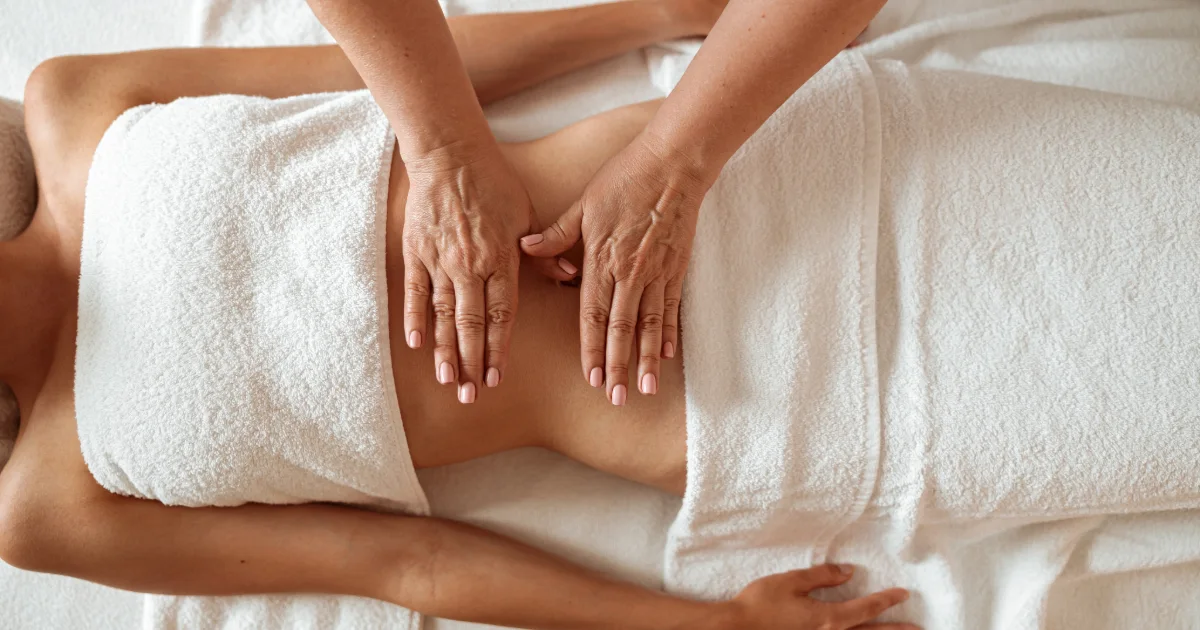
Caring for your body goes beyond exercise and nutrition—it also includes gentle practices that help you slow down and reconnect with physical sensations. One such practice focuses on the midsection, an area closely tied to comfort, posture, breathing, and daily movement. This guide explains safe techniques, preparation, and aftercare so you can practice confidently and mindfully at home.
Understanding the Purpose of This Practice
The abdomen plays a central role in how the body feels and functions throughout the day. It supports posture, houses vital internal systems, and responds quickly to stress and tension. Gentle manual techniques in this area are often used to promote relaxation and body awareness rather than forceful manipulation.
This practice is not about applying pressure or trying to “fix” the body. Instead, it emphasizes calm movements, rhythmic touch, and listening closely to physical feedback. When done slowly and with intention, it can become a grounding ritual rather than just another task.
Preparing Your Body and Space
Preparation sets the tone for the entire session. A rushed or uncomfortable setup can limit the benefits, while a calm environment encourages the body to respond positively.
Choose the Right Time
Avoid performing this routine immediately after eating. Waiting one to two hours allows the body to settle. Many people prefer early mornings or evenings when the body naturally slows down.
Create a Relaxing Environment
Select a quiet, warm space where you can lie flat without interruption. A yoga mat, carpet, or bed works well. Slightly bending your knees helps release tension in the lower back and abdominal area.
Use a Gentle Oil
Natural oils such as almond, coconut, or sesame oil reduce friction and make movements smoother. Warm the oil between your palms before applying it to avoid sudden temperature changes on the skin.
Step-by-Step Technique Guide
Step 1: Center Yourself
Lie on your back and place both hands over your midsection. Close your eyes and take slow, deep breaths. Inhale through the nose for four counts and exhale for six. Continue for one to two minutes to signal your body that it’s time to relax.
Step 2: Begin with Light Circles
Using your fingertips or the flat of your palm, start making slow, clockwise circles around the navel. Keep the pressure light and consistent. The movement should feel soothing, not intrusive.
Step 3: Expand the Movement
Gradually widen the circular motion to include the entire abdominal area, from just below the ribcage down toward the lower belly. Maintain an even rhythm and avoid rushing.
Step 4: Gentle Kneading
Using both hands, softly lift and roll the skin and underlying tissue. Think of slow, careful motions rather than squeezing. If any area feels sensitive, ease up immediately.
Step 5: Finishing Strokes
End the session with long, downward strokes from the upper abdomen toward the pelvis. This helps calm the nervous system and provides a sense of closure to the practice.
Throughout each step, remain attentive to your breathing and physical sensations. Comfort is the priority.
Abdominal Massage Benefit
When practiced regularly and gently, this routine may support a sense of overall ease and relaxation. One commonly noted abdominal massage benefit is the calming effect it can have on the body, especially after long periods of sitting or stress. Many people describe feeling more grounded, lighter, and mentally relaxed after consistent sessions.
Additional commonly reported advantages include:
Encouraging relaxation through slow, mindful touch
Supporting awareness of posture and breathing
Helping release built-up tension in the midsection
Promoting a stronger mind–body connection
These effects often build gradually, becoming more noticeable with consistent and patient practice.
How Often to Practice
For beginners, two to three sessions per week are sufficient. Each session can last anywhere from five to fifteen minutes depending on comfort and availability. Longer sessions are not always better—regular, shorter routines tend to be more sustainable.
As you gain familiarity, you can adjust frequency based on how your body responds. Always prioritize comfort over routine.
When to Avoid or Pause
There are situations where it’s best to skip this practice or seek professional guidance-
During pregnancy, unless approved by a qualified expert
After recent abdominal surgery or injury
When experiencing severe or unexplained pain
During acute digestive discomfort or illness
Developing a consistent self-care routine takes patience, self-awareness, and the right guidance. Exploring practical insights on personal growth and success can help you build positive habits and strengthen your everyday well-being.
Aftercare and Integration
Once finished, rest quietly for a few minutes. Drinking warm water afterward can help the body settle. Gentle movement, such as a short walk or light stretching, may enhance the sense of relaxation.
Pay attention to how you feel over the next few hours. Some people find it helpful to note changes in comfort, posture, or mood. These small observations can guide how often and how long you practice.
Making It a Long-Term Habit
Consistency matters more than intensity. Pair this routine with an existing habit, such as morning stretching or an evening wind-down ritual. Treat it as a moment of self-connection rather than a task to complete.
With patience and awareness, abdominal massage can become a supportive part of your self-care routine. Over time, this gentle practice may help you slow down, listen to your body, and cultivate a deeper sense of physical ease and relaxation.