
By Facegym Miami on April 23, 2026
Is Face Peeling Safe? Side Effects, Risks & Expert Tips
Skincare trends come and go, but one treatment that has steadily remained in demand is face peeling. Promoted as a solution for dull skin, acne scars, and uneven tone, it promises visible transformation with relatively minimal effort. But alongside the glowing reviews, there are also concerns about irritation, sensitivity, and long-term effects. So the real question is not just whether it works—but whether it is truly safe.
Understanding the safety of any skin treatment requires going beyond marketing claims and looking at how it interacts with your skin’s natural barrier. Face peels, particularly chemical ones, are designed to exfoliate the outermost layer of the skin. This controlled removal encourages new cell turnover, revealing fresher, smoother skin underneath. While the process is scientifically backed, its safety largely depends on factors like the type of peel, your skin condition, and how well the procedure is performed.
Understanding How Face Peels Work
To evaluate safety, it helps to understand what actually happens during a peel. A face peel uses specific acids or enzymes to break down the bonds between dead skin cells. Once these cells shed, the skin initiates a repair process, producing new cells and boosting collagen over time.
There are generally three categories of peels:
Superficial peels work on the outer layer of the skin and are considered the mildest.
Medium peels penetrate deeper and are often used for pigmentation or acne scars.
Deep peels reach the lower dermal layers and are typically performed under medical supervision.
Each level comes with its own benefits and risks. The deeper the peel, the more dramatic the results—but also the higher the potential for side effects.
Is It Actually Safe?
The short answer is yes—when done correctly, peels are generally safe. However, “safe” does not mean risk-free. The procedure involves deliberately stressing the skin to trigger renewal, and that always carries some degree of reaction.
For most people, mild peels done by trained professionals are well tolerated. Issues tend to arise when treatments are too strong for the skin type, performed too frequently, or done without proper aftercare. DIY approaches and overuse of strong acids are among the most common causes of complications.
Common Side Effects You Should Expect
Any peel, even a mild one, will cause temporary side effects. These are part of the natural healing process rather than signs of damage.
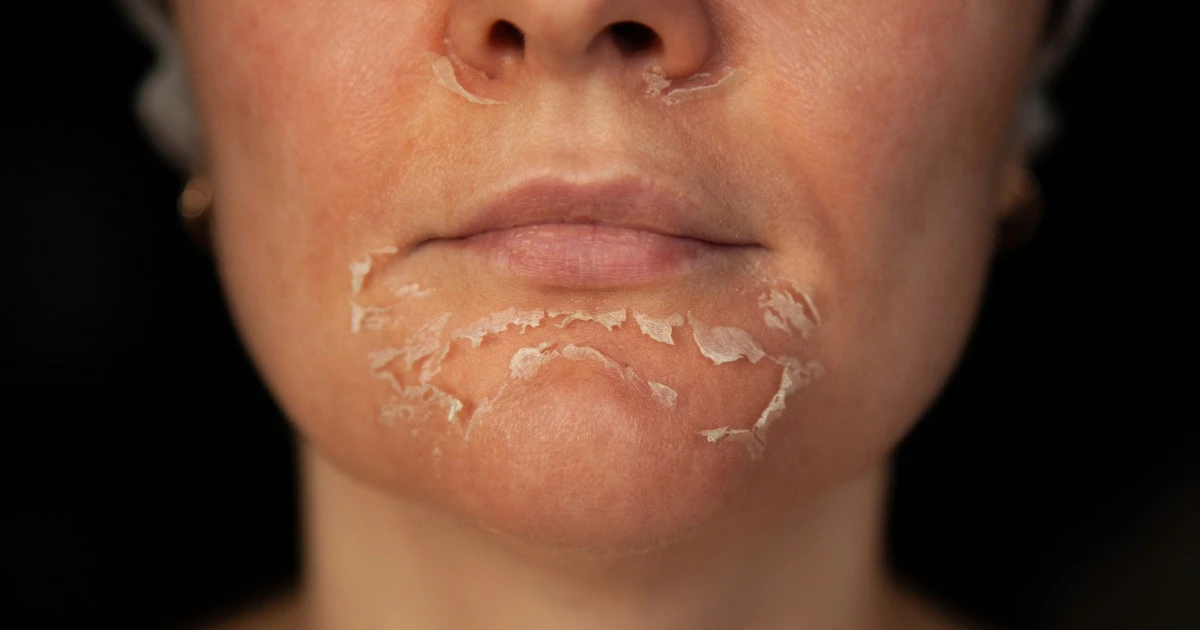
The most common reactions include redness, dryness, and a feeling of tightness. In the days following the treatment, the skin may begin to flake or peel. This is a visible sign that the old layer is shedding.
Some individuals also experience mild swelling or sensitivity, particularly if they have reactive skin. These effects typically subside within a few days for superficial peels, while deeper treatments may require a longer recovery period.
When Side Effects Become a Concern
While temporary irritation is normal, there are situations where side effects go beyond what is expected. Persistent redness, severe burning, or signs of infection should never be ignored.
Hyperpigmentation is another potential concern, especially for individuals with darker skin tones. If the skin becomes inflamed or is exposed to the sun without protection, it can trigger excess melanin production, leading to dark spots.
In rare cases, scarring can occur, particularly with deep peels or when aftercare instructions are not followed properly. This is why professional guidance is critical, especially for stronger treatments.
Key Risks to Be Aware Of
Midway through your skincare journey, it’s important to approach face peeling with a balanced perspective. While the benefits can be impressive, the risks are real if the process is mishandled.
One of the biggest risks is over-exfoliation. When the skin barrier is compromised, it becomes more vulnerable to irritation, dehydration, and environmental damage. This can lead to a cycle where the skin appears worse rather than better.
Another risk is improper product selection. Not all acids suit every skin type. For example, stronger acids may aggravate sensitive or dry skin, while milder formulations might not deliver results for thicker or oilier skin.
Timing also plays a role. Frequent treatments without allowing the skin to recover can lead to chronic sensitivity. The skin needs time to rebuild its protective barrier after each session.
Who Should Avoid Face Peels?
Although peels are widely used, they are not suitable for everyone. People with active skin infections, open wounds, or severe inflammatory conditions should avoid them until the skin has healed.
Those who are pregnant or using certain medications should also consult a professional before undergoing any peel. Some ingredients may not be recommended in these situations.
Individuals with extremely sensitive skin or a history of allergic reactions should proceed cautiously. A patch test or consultation can help determine whether the treatment is appropriate.
Expert Tips for Safer Results
Safety is not just about the treatment itself—it’s about the entire process, from preparation to aftercare. A well-managed routine can significantly reduce the chances of complications.
Start with a professional consultation. Understanding your skin type, concerns, and history allows for a tailored approach. Avoid jumping straight into strong treatments without building tolerance.
Pre-treatment care is just as important. This may include avoiding sun exposure, stopping certain skincare products, and preparing the skin barrier.
After the procedure, hydration and protection become essential. Using gentle, nourishing products helps the skin recover faster. Sun protection is non-negotiable, as freshly peeled skin is more susceptible to UV damage.
It’s also important to resist the urge to pick or peel the skin manually. Letting the process happen naturally reduces the risk of scarring and uneven healing.
Balancing Benefits and Risks
At this stage, it’s clear that face peeling is neither a miracle solution nor something to fear. It sits somewhere in between—a powerful tool that delivers results when used responsibly.
The benefits can include smoother texture, improved tone, reduced acne scars, and a brighter overall appearance. For many people, these improvements are noticeable after just a few sessions.
However, the key lies in moderation and personalization. What works for one person may not work for another. Understanding your skin’s limits is essential for achieving consistent, safe results.
Quick Skincare Summary
Great skincare isn’t about quick fixes—it’s about making informed choices that support your skin in the long run. Face peels can be highly effective, but only when used with the right approach and care.
Respecting your skin is key—choose the appropriate peel, follow expert advice, and allow proper recovery time. When done correctly, face peeling can enhance your skin’s health rather than harm it.
Thinking About Trying a Face Peel?
If you’re considering a face peel, skip the guesswork and seek professional guidance. The right consultation will help you select a treatment tailored to your skin type and goals, ensuring safe and visible results.
Start Your Face Peel Journey Today
If you’re looking to try a face peel service, you can book an appointment or visit FaceGym Miami. If you’re in Miami, you can also visit our face spa at: 19064 NE 29th Ave, Aventura, FL 33180, United States.