
By Facegym Miami on July 16, 2026
In the ever-evolving world of skincare and wellness, certain treatments stand out for their ability to deliver real, noticeable results without going under the knife. One such approach that's been gaining quiet momentum among those in the know is buccal massage—a technique that works from the inside out to reshape, relax, and rejuvenate the face. If you've been dealing with a tight jaw, persistent tension headaches, or simply want a more sculpted, lifted appearance, this might be the game-changer you've been searching for.
I first heard about buccal massage a couple of years ago from a friend who swore by it after years of clenching her teeth through stressful workdays. Skeptical at first, I gave it a try, and the difference was immediate—not just in how my face looked, but in how it felt. The release of built-up tension was profound, like finally unknotting a muscle I'd been ignoring for too long. Today, it's become a staple in many professional facial routines, praised for addressing issues that surface-level treatments simply can't reach.
What Makes Buccal Massage Different
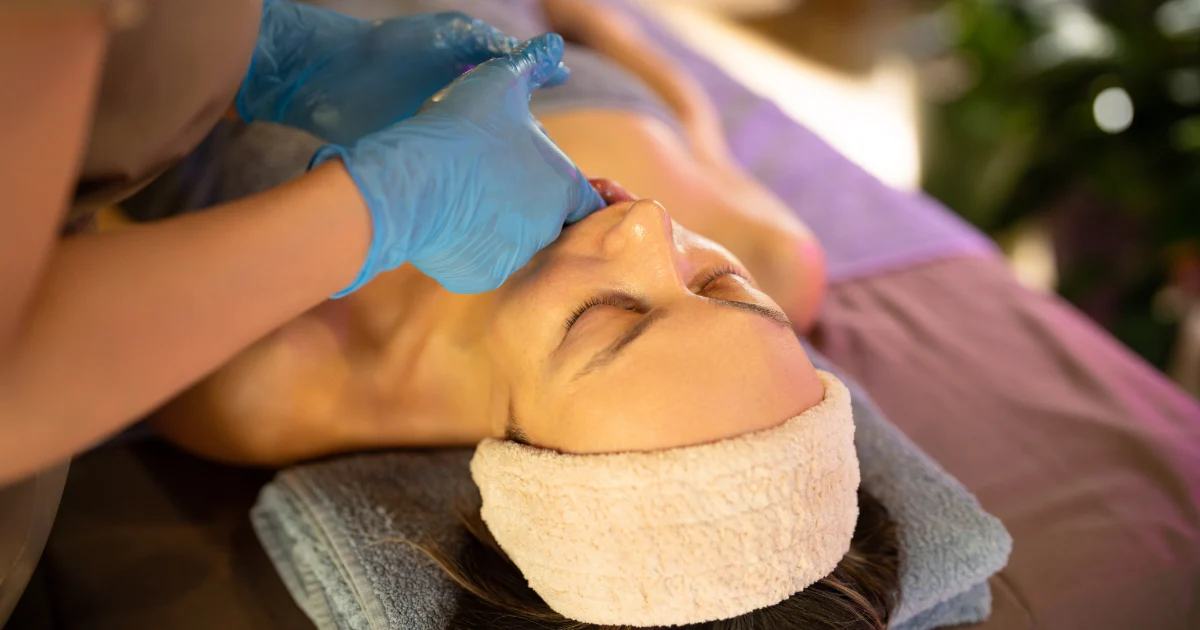
Buccal massage stands apart because it combines external facial work with intraoral techniques—meaning a trained therapist uses gloved hands to massage both the outside of your face and the muscles inside your mouth. This dual approach targets deep facial structures, particularly the buccinator, masseter, and pterygoid muscles that control chewing, expression, and jaw movement.
Unlike a standard facial that focuses on the skin's surface with creams and gentle strokes, buccal massage dives deeper into the muscle layer. It's often described as a deep-tissue massage for your face. The therapist starts by warming up the neck, shoulders, and outer face to improve circulation, then moves inside the cheeks to release tightness you might not even realize you're holding. Sessions typically last 45 to 60 minutes, and while the intraoral part can feel unusual at first—think a firm but controlled pressure—most people quickly settle in and find it surprisingly relaxing.
The technique isn't new, but its popularity has surged as people look for natural ways to combat the effects of modern life: endless screen time, stress, poor posture, and teeth grinding. By addressing the root causes of facial tension rather than just masking symptoms, it offers both immediate relief and longer-term improvements in appearance and comfort.
The Science Behind the Glow: Benefits You Can Actually Feel
One of the most compelling reasons to try buccal massage is its impact on jaw tension and TMJ-related issues. Many of us unconsciously clench or grind our teeth, especially at night, leading to soreness, headaches, and even restricted jaw movement. Working directly on those deep muscles helps release trigger points, improves mobility, and can reduce pain almost right away. Clients often report being able to open their mouths wider and feel less strain after just one session.
Beyond relief, there's the aesthetic side. Releasing chronically tight muscles allows the face to return to a more natural, lifted contour. Cheekbones appear more prominent, the jawline sharpens, and puffiness decreases as lymphatic drainage kicks in. Improved blood flow brings a healthy flush to the skin, while reduced fluid buildup minimizes that tired, swollen look many of us wake up with. Over time, regular sessions can support better muscle tone and even encourage subtle collagen stimulation through the mechanical action on tissues.
It's not a miracle cure or permanent fix—results vary based on your habits, age, and consistency—but the cumulative effect is impressive. Think of it like going to the gym for your face: one visit gives you a fresh look, but regular practice builds lasting strength and definition. Many people notice their skin looking brighter and expressions feeling smoother because the underlying muscles aren't fighting against themselves anymore.
I remember chatting with an esthetician who compared it to untangling a garden hose. All that built-up pressure and kinks finally straighten out, allowing everything to flow better. The glow isn't just from products; it's from better circulation and a face that's finally at ease. For those with sinus issues or even mild migraines tied to facial tension, the drainage and release can provide welcome secondary benefits too.
Who Should Consider Buccal Massage?
This treatment appeals to a wide range of people. If you spend hours at a desk, carry stress in your shoulders and jaw, or simply want to enhance your natural features without injectables, it's worth exploring. It's particularly helpful for anyone experiencing TMJ discomfort, bruxism (teeth grinding), or that perpetual "tight face" feeling. Athletes, singers, or speakers who rely on their jaw and mouth muscles also find it restorative.
That said, it's not for everyone in every moment. Those with active mouth sores, recent dental work, or certain medical conditions should check with a professional first. A qualified practitioner will always take a thorough history and ensure you're comfortable throughout.
What to Expect in a Session and How to Maintain Results
A good session begins with a conversation about your concerns—whether it's pain relief, sculpting, or overall wellness. The therapist cleanses the skin, applies a light oil or serum for glide, and starts with broader strokes on the neck and face. Once warmed up, they move to the intraoral work, using precise, rhythmic movements to knead and stretch the cheek muscles while supporting from the outside. It can feel intense in spots where tension is deepest, but good communication keeps it within your comfort zone.
Afterward, your face might feel a bit tender, similar to post-workout soreness, but many people see an instant lift and glow. To make the most of it, stay hydrated, avoid heavy chewing right after, and incorporate gentle at-home practices like light jaw stretches or facial yoga. Pairing buccal massage with a solid skincare routine amplifies everything—think antioxidant serums and moisturizers that support the renewed circulation.
Lifestyle plays a huge role too. Managing overall stress, improving sleep posture, and being mindful of gum-chewing habits can help sustain the benefits. Some people schedule monthly sessions as maintenance, while others go more frequently during high-stress periods.
Embracing a More Holistic Approach to Facial Care
What I love most about buccal massage is how it shifts the conversation from covering up issues to truly addressing them. In a world full of quick fixes and filters, this hands-on method feels refreshingly authentic. It's about listening to your body, releasing what no longer serves you, and letting your natural structure shine through.
As more skincare professionals and dermatologists integrate it into their offerings, we're seeing a broader appreciation for treatments that honor the interconnectedness of muscles, fascia, lymph, and skin. It's not just about looking better—it's about feeling more at home in your face.
If you're curious about experiencing this for yourself, I highly recommend finding a certified therapist who specializes in facial sculpting or intraoral techniques. Do your research, read reviews, and don't hesitate to ask questions before booking. Your jaw—and your reflection—will thank you.
Ready to release the tension and reveal a more sculpted, radiant you? Book a professional buccal massage session today and feel the difference from the inside out.